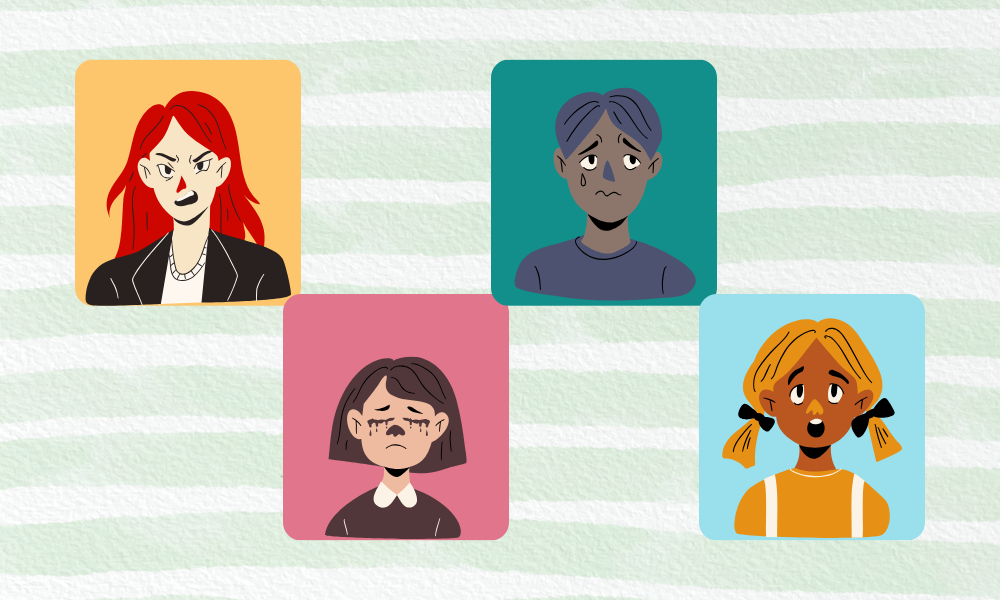
Grief looks different for everyone
The intensity of loss often depends on the situation. None of us grieve the same, and no matter how you look at it, looking to God and questioning why is a common reaction.
The intensity of loss often depends on the situation. None of us grieve the same, and no matter how you look at it, looking to God and questioning why is a common reaction.
That’s where Deacon Henry deMena steps in. For 25 years, he’s offered grief support for families, especially parents who have lost children. This deacon of Divine Saviour Church in York and St. Augustine Church in Union has had the unique opportunity to combine his grief counseling experience with his role as clergyman.
Deacon deMena started as a grief counselor in hospice care in 2001. He’s led many retreats, written books, and trained parishes to start bereavement groups within their churches. He’s been a deacon since 1997, however, he said, few deacons and priests are also professional grief counselors.
Becoming a grief expert wasn’t something that came to deMena based on personal loss. When he was studying to be a deacon, he became interested in grief because he noticed that one of the most vulnerable times to evangelize was at a funeral. Deacon deMena said one of the most significant experiences he had was during his grief coordinator internship in New Jersey on Sept. 11, 2001.
He shared that the key to his work is being a good listener and not judging.
“One thing I noticed is that when people cry, they say sorry,” deMena said. “Crying is normal.”
Through Catholic teaching and prayer, deMena can bring comfort, especially to parents who have lost children.
“I don’t talk people out of how they feel. Many times, parents will tell me they feel guilty and that they didn’t do enough. It complicates things to tell them that they did do enough … that almost tells them that what they feel is wrong. It is OK if that bothers them. We have to normalize the situation,” he said.
Deacon deMena shared a text message from someone who attended his retreat. It read, “I loved the feeling of being surrounded by the prayers of people that didn’t know me, but knew my pain. The fire in my heart is gone and has been replaced with love. Is this normal? After 16 years, am I supposed to have actually healed from losing my son?”
Grief from abortion
Christy Brown, who works for the diocesan Office of Family Life, assists people who have experienced abortion. She said the issue with this type of grief is that it’s such a private matter, so, many men and women never speak about it.
“They haven’t been able to share the trauma with anyone, so having a safe and nonjudgmental and confidential place to tell their story is very important to them in finding the healing they need and want,” she said.
The Diocese of Charleston provides a healing weekend retreat, called Rachel’s Vineyard, and a support group.
“Many of the women and men who attend the retreat have a life-changing experience,” Brown said. “We can see it in their whole being. They will often comment that they feel lighter and forgiven. Forgiveness of self is a big gift the retreat offers to the participants.”
It’s called a Rachel’s Vineyard retreat, and it gives post abortion men and women reconciliation with God, the Church, themselves and others.
Brown said that the first thing they share to people who attend the retreat is that God loves them — always has and always will.
“What we do cannot separate us from God, although we may do the separating. Abortion is a complicated grief. The world tells us that we do not need to grieve, but we know in our hearts that a life has been lost, one that was created by God. We have the right to grieve no matter the circumstance. When we grieve and have remorse for our part in the abortion, true healing can begin for us,” Brown said.
Experiencing infertility loss
Janelle Florendo is the coordinator of marriage and family ministries for the Family Life office. She remembers her struggle with secondary infertility. For nine years, she and her husband tried to get pregnant. It was difficult and frustrating, impacting her confidence and relationships.
She helped start a group for couples experiencing the same thing. It was called H.O.P.E. Infertility Ministry. H was for helping the couple, O was for offering resources, P was for praying for and with them, and E was for empowering couples so they still bear fruit.
Conducted online, the prayer group has evolved. Florendo said they now have people joining from all over the country.
“Many people just want prayers said for them, so they will give us their name and ask us to pray for them,” she said. It’s called the H.O.P.E. Prayer Connect.
Florendo said that the group will also talk about the ethics of infertility and share what options available are in line with the Catholic Church.
Florendo and her husband did, at last, conceive their first child, and it was another five years before they were able to conceive their second.
“I want people to know that they aren’t alone,” she said. “We are the silent sufferers.”
When it comes to grief, Deacon deMena said he was always interested in it because people struggle with it, and he wants to help.
“Grief counseling could benefit anyone who has experienced loss. It’s for people who are suffering, and as a deacon, I believe that through grief, our relationship with the Lord can strengthen.”
Theresa Stratford is a freelance writer for The Miscellany. She lives in Charleston with her husband and three children and attends Our Lady of Good Counsel Church: tmmart89@gmail.com.