
Why not God?
Consider the wonders of humanity: What wonderful creatures we are! We have evolved over millions of years into highly intelligent and adaptable beings who can think, create, feel and love. We have populated this planet and solved many matters of survival. How did this happen? It is truly hard to believe. And yet, we believe it, even though we can’t fully understand it, much less have had personal experience with all the stages of homo sapiens.
Consider the wonders of humanity: What wonderful creatures we are! We have evolved over millions of years into highly intelligent and adaptable beings who can think, create, feel and love. We have populated this planet and solved many matters of survival. How did this happen? It is truly hard to believe. And yet, we believe it, even though we can’t fully understand it, much less have had personal experience with all the stages of homo sapiens.
Many other things happen that we haven’t experienced and don’t understand, too. How do elite athletes perform fantastic feats at just the critical time when they need to do it? And then there are vocalists who sing so beautifully, while others can’t carry a tune. These performers possess something unexplainable, and we accept with great enthusiasm their talents and skills that we can’t understand.
Most of us have not experienced the frozen environment of Antarctica, but we believe it exists. Most of us do not understand artificial intelligence or its capabilities, but we believe it is influencing our lives.
Biblical example
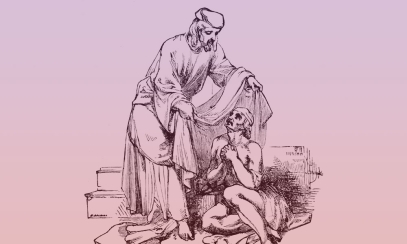
Jesus even said in the Gospel of Mark: “He said, ‘This is how it is with the kingdom of God; it is as if a man were to scatter seed on the land and would sleep and rise night and day and the seed would sprout and grow, he knows not how.… It is like a mustard seed that, when it is sown in the ground, is the smallest of all the seeds on the earth. But once it is sown, it springs up and becomes the largest of plants’” (4:26-28).
The key phrase here is “he knows not how,” and yet accepts what is beyond his personal experience and understanding.
But so what
Well, considering all these things we don’t understand or haven’t personally experienced, and yet believe in, why is it so hard to believe in another amazing level of existence that we don’t understand or haven’t personally experienced — that is, God and eternity? I mean, we humans and everything around us are seemingly impossible, yet we exist. We believe we exist and accept our existence. So why not God, the next level of “impossibility,” the next level of existence?
Birth and eternity
Perhaps the best earthly example of “impossibility” is the process of a child’s birth. Without getting into all the embryonic and fetal stages of development, the fact that a human being begins as two cells inside another human being, and then rather quickly develops and emerges as a viable and independent person in the outside world is, again, somewhat unbelievable. How does the heart start beating? We don’t understand how it happens, yet we believe it.
So why can’t our whole life be some kind of gestation period from which we finally emerge into a whole new existence? And, like babies’ existence being dependent on parents from conception through childhood, why can’t our new existence beyond this earthly one be dependent on an entity we call God?
I might also point out that babies in the womb have no conception of who these people are, the ones on whom they will be dependent when they emerge into the outside world. Similarly, we can only scratch the surface of knowing the God we will encounter and be dependent on for eternity.
One more thing: The baby has no idea what awaits him or her, and we don’t either. But for each of us, it will happen, ready or not!
Since we already believe in so many things we can’t personally experience or understand, why not take it to the next level and believe in the God and eternity that we cannot fully experience or understand yet? Why can’t the Holy Spirit be moving amongst us, like we believe artificial intelligence is? Why can’t a grand, eternal existence burst forth from our limited existence on earth, just like the largest of plants bursts forth from the smallest of mustard seeds? Why couldn’t a God welcome us into eternity, like a mother welcomes her unbelievable baby into her arms, life and love?
Thomas Dorsel, Ph.D., is professor emeritus of psychology, a graduate of Notre Dame. He lives on Hilton Head Island with his wife Sue and is a parishioner at St. Francis by the Sea Church. Visit him at dorsel.com.