Storm ready. Worry Less.
Being well informed and prepared for major storms can save lives and minimize damage when they occur. It’s important, especially in the Southeast, to know some basics and to keep in mind what to prepare should the need arise.
Being well informed and prepared for major storms can save lives and minimize damage when they occur. It’s important, especially in the Southeast, to know some basics and to keep in mind what to prepare should the need arise.
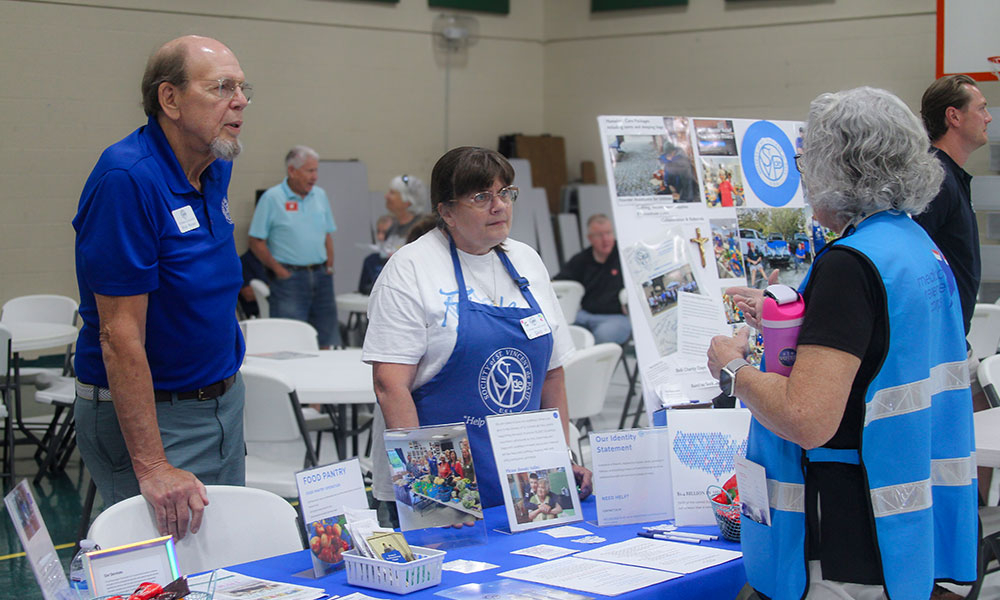
This July, St. Michael the Archangel Church in Murrells Inlet held a Hurricane Preparedness Expo for its community. Informational sessions were given by Ed Piotrowski, chief meteorologist for WPDE-TV (ABC 15), by Sam Hodge, director of Emergency Management for Horry County, and many others. Vendors such as the American Red Cross, Horry County Emergency Management Department, Knights of Columbus and the parish’s emergency team were on hand to answer questions.
Hurricanes have four major effects when making landfall. We’ve seen them all: severe winds, tornadoes, dangerously tall storm surges and intense flooding from rain.
“People have to be aware of all four of the hazards that come with hurricanes,” Piotrowski said. “Really take seriously the threat from rainfall. That is the number one killer in a hurricane by far.”
Many of us remember 1989 when Hurricane Hugo made direct landfall in Charleston. Its impact was devastating. Hugo’s storm surge reached somewhere between 9 and 15 feet above sea level. It was the tallest storm surge South Carolina has seen in recorded history.
While the thought and threat of a hurricane can seem intimidating, there are many steps we can take before and after a storm to lessen the intensity of its impact.
Know before
Your zone: Hurricane evacuations in South Carolina are issued by the governor. All evacuations issued are considered mandatory. Even if you do not live in an evacuation zone, you may still choose to leave. Find out if you live in a hurricane evacuation area by contacting your local emergency management office or by visiting scemd.org/prepare/know-your-zone.
Family plan: Before an emergency happens, sit down with your family and friends to decide how you will remain in contact with each other, where you will go and what you will do together in an emergency. Keep a written copy of this plan in your emergency supplies kit (see below) or another safe place where you can access it in the event of a disaster or loss of power. Remember, you may not be able to charge your cellphone.
Storm kits: Put together basic supplies and consider storage locations for different situations. Check your emergency equipment on a regular schedule, such as flashlights and batteries, generators and storm shutters. For a list of key items for your kit, see ready.gov/kit.
Flood insurance: Homeowners insurance policies do not cover floodwaters or storm surge, and policies can take 30 days or more to go into effect. As an extra precaution, take the time to do a walkthrough of your home to inventory the items in case you need to provide a detailed account for insurance purposes after a natural disaster.
Unique circumstances: If you have young children, elderly adults or pets that reside in your home, or if you keep livestock, make sure you have the items they will need to get through the storm for several days. Those with disabilities or medical needs should talk to their doctors and pharmacists when preparing for a storm, specifically to ensure medications and medical equipment are up to date and available.
When it hits
Secure your home: Cover all your windows. Permanent storm shutters offer the best protection for this, though they are an investment. A second option is to board up windows with 5/8-inch exterior-grade or marine plywood built to fit and ready to install. Buy supplies before the hurricane season whenever possible, rather than waiting for the pre-storm rush.
Stay tuned in: Check the websites of your local weather service office and government emergency management office. The Red Cross offers a mobile app that will send live updates regarding weather emergencies, evacuations and more. Search any app store for “Emergency: Severe Weather App.”
After it passes
Stay alert: Drive only when necessary and if allowed by city ordinance. If you must go out, make sure to watch for fallen objects in the road, downed electrical wires and weakened walls, bridges, roads and trees that might collapse.
Assess damage: Walk carefully around the outside of your home to check for loose power lines, gas leaks and structural damage.
Steer clear: If you smell gas, stay out of the building. Carbon monoxide poisoning is one of the leading causes of death after a natural disaster causes a power outage. Never use a portable generator inside your home or garage.
Woody Berzins, event coordinator for St. Michael, said, “One of your most important resources is your community.”
So, as we enter the peak of hurricane season on Sept. 10, please prepare and share what you know with others around you. While no one can predict where and when the next storm will strike, taking the time to prepare today will make all the difference. As Scripture reminds us, “The prudent see danger and take refuge, but the simple keep going and pay the penalty” (Prv 22:3).
Learn more
For information on hurricane preparedness, visit weather.gov/safety/hurricane. The S.C. Emergency Management Division has released an updated state hurricane guide for 2026: scemd.org/stay-informed/publications/hurricane-guide.