A season to ponder a call to sainthood
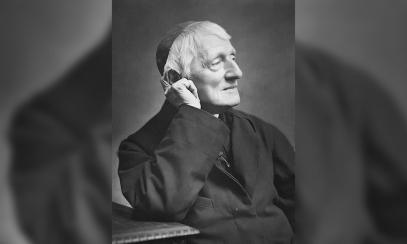
No one is surprised when Pope Leo XIV cites St. Augustine in an exhortation or encyclical. He is, after all, an Augustinian friar steeped in the spiritual and theological wisdom of this great father of the Church. What sneaks up on us, though, is how he often invokes the model and memory of St. Francis of Assisi.
No one is surprised when Pope Leo XIV cites St. Augustine in an exhortation or encyclical. He is, after all, an Augustinian friar steeped in the spiritual and theological wisdom of this great father of the Church. What sneaks up on us, though, is how he often invokes the model and memory of St. Francis of Assisi.
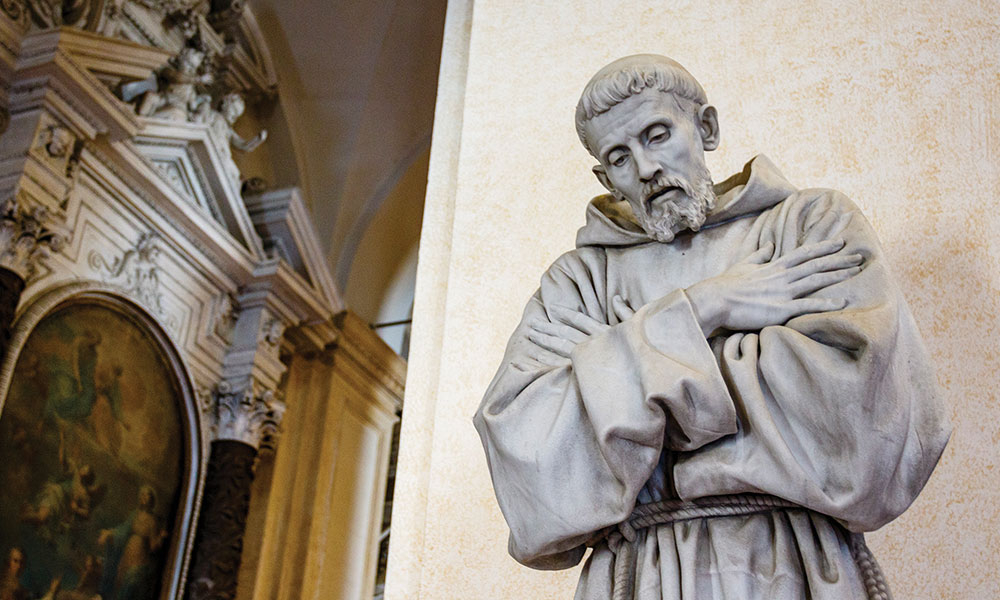
As we lead into the celebration of the 800th anniversary of the death of St. Francis on Oct. 4, we might consider how St. Francis relates to September, and then to someone closer to home.
Creation season
For several decades now, Sept. 1 through Oct. 4 has been observed by Orthodox Christians and Catholics as the “Season of Creation.” When Pope Leo issued Dilexi Te: On Love for the Poor in October last year, he spoke of St. Francis’ well-known love for the poor and reminded us that their situations are often exacerbated, if not brought on, by environmental degradation or natural disasters.
Lack of water and food, he wrote, are ongoing problems for many. He warned us, “In a world where the poor are increasingly numerous, we paradoxically see the growth of a wealthy elite, living in a bubble of comfort and luxury, almost in another world compared to ordinary people” (DT 11). Don’t some of us shake our heads when we hear about a $15 million wedding? Might we not also feel a spiritual nudge when we see those experiencing homelessness hanging out near the Richland Library in Columbia, dodging tourists on King Street in Charleston, or begging at an intersection near our favorite well-stocked store in Bluffton?
Cousin Gail
The sisters in my religious community operate an outreach, the St. Francis Center on St. Helena Island, outside Beaufort. Stories about St. Francis tell us about his devotion to “Lady Poverty” and his kissing a leper. His famous prayer, “Make Me a Channel of Your Peace,” invites us to sow love, pardon, faith, hope, light and joy. It goes on to invite us to turn ever outward in consoling and loving, giving and forgiving.
Our SSCM sisters and many volunteers don’t end up kissing lepers, but they do end up embracing many people who are frequently on the edge of destitution.
That brings us to Gail. She is one of the Gullah-Geechee residents of the island who has found herself sometimes needing food, a listening ear and occasionally major assistance to make her home livable. In Gail’s case, it started as an appeal for help to get a ramp to make her aging trailer more accessible.
When our repair team went in, they found that her home also had major issues with wiring and leaks. Our center helped — and somehow always finds the means to do so thanks to generous people who hear the cry of the poor. Elderly poor like Gail are hidden from beach-dwellers and gated golf compounds.
I visited with Gail one day after her ramp was built but the interior work wasn’t yet complete. As our team inspected progress, I stayed with her in her small living room talking about her life, and I asked about the two nice-looking young men whose photos were framed on a shelf above the ancient couch. One was her son and the other a nephew. Both had been shot to death — how or why, I can’t say.
What I do know is that escaping the cycle of poverty requires education and start-up money, something the fortunate ones find, and something our center provides whenever possible. Using St. Francis’ approach means we welcome every person as brother or sister.
Since Gail’s last name is the same as mine, we joked that day about being long lost cousins.
Gullah-Geechee
There’s another piece to the story of the Gullah-Geechee people and what is happening to their land. The never-ending need for development is causing some of them, those who never got formal titles to ancestral land, to live under threat of being driven from properties that have been in their families for generations.
Those who aren’t in danger of losing their land are finding that the fields on which their families raised crops for sustenance have been ruined by saltwater incursion. Not only does St. Francis’ concern for the poor relate to their lives, but care for earth — or “Sister Earth” as he called her — relates to their livelihood.
Church for the poor
The takeaway from all this seems to be an ongoing question about moral responsibility. Popes Francis and Leo, who echo their papal forebears, urge that we must be a Church of and for the poor. That means more than making donations, even though they are incredibly important. It may mean that we join a St. Vincent de Paul group, volunteer at an outreach center, accompany a group visiting the elderly, lobby for restorative justice programs or participate in river cleanups and recycling efforts.
Sometimes it is a matter of looking people in the eye, noticing where there is hurt and pausing to hear their stories. Prayer, almsgiving and action are the prescriptions, and we have Francis of Assisi and many others as exemplars.
Pope Leo challenges us: “Love is above all a way of looking at life and a way of living it. A Church that sets no limits to love, that knows no enemies to fight but only men and women to love, is the Church that the world needs today” (DT 120).
He’s very idealistic. But so are the saints, which we all are called to be.
Sister Pamela Smith, SSCM is the diocesan director of Ecumenical and Interreligious Affairs: psmith@charlestondiocese.org.