Celebrating Jesus’ grandparents
In the first chapter of St. Matthew’s Gospel, we learn that St. Joseph, foster father of Jesus, was the son of a man named Jacob, generations down from the patriarch by the same name. We also learn that Joseph’s grandfather was named Matthan.
In the first chapter of St. Matthew’s Gospel, we learn that St. Joseph, foster father of Jesus, was the son of a man named Jacob, generations down from the patriarch by the same name. We also learn that Joseph’s grandfather was named Matthan.
We have learned from ancient tradition that the parents of the Blessed Virgin Mary were Sts. Joachim and Anne, whose feast we celebrate on July 26.
The sources naming them are considered apocryphal — that is, non-Biblical — but we know that Christians of the East honored them from the very early centuries of the Church’s existence. By the 13th century, St. Anne was venerated in the Church in the West, specifically in France, and to this day there are novenas to St. Anne observed in July, and many people have visited the Basilica of St. Anne de Beaupre in Quebec.
The fact is that Jesus, because he was human as well as divine, had grandparents. With the feast of Mary’s parents coming to us this month, it seems appropriate to consider the contributions of grandparents throughout human history, including today.
They’re ours, but not
Stories of Joachim and Anne suggest that they were long childless and prayed and fasted to have a child. When Mary was born, conceived naturally but, by divine intervention, spared the burden of original sin, the parents welcomed her piously. At an early age, they presented her to the Temple.
It is believed that she was raised in the Temple by people like the biblical Simeon and Anna, who resided there and spent their days teaching and in prayer.
One of the first lessons we learn from the lives of Joachim and Anne is that children and grandchildren are ours and yet not ours. We are responsible to love and care for children and share our faith with them. At the same time, we recognize that children belong, first and foremost, to God. God has a plan for them, which may not exactly be our plan.
Mary’s destiny to become the mother of the Messiah and to remain ever-virgin might not be what Joachim and Anne anticipated. That Joseph would become the foster father of the Savior of the world could not have been his parents’ dream.
Love, foster, be examples
Having children and grandchildren is a sometimes-baffling mix of knowing they belong to us and yet aren’t ours to possess at all. With this fact, I think there are three things that we can attribute to all grandparents.
The first is corollary to this holding close and letting go: unconditional love. No matter what, the generations who come after us are ours to love, no matter where life and their choices take them. Obviously not all children and grandchildren end up ready for canonization. They may spend many years resisting God and grace, but they are always ours to love and to pray for.
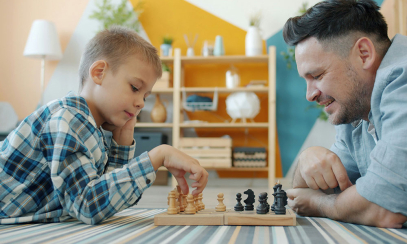
The second is that we are to encourage them and foster their talents. Deacon Denny Burkett at St. Gregory the Great Church in Bluffton has written quite a few books now, scriptural meditations. The illustrators of several of them are two of his granddaughters. He’s obviously a proud grandpa, but he also has nurtured their amazing talent and promoted using their artistry to glorify God. My brother and sister-in-law are encouraging their grandchildren in their interests in meteorology, music and science, while carefully helping them develop consciences attuned to our Catholic call to respect life and human dignity and care for the poor.
Finally, grandparents very often are great exemplars of religious faith. Even when parents may be lax in their practice, it is often grandparents who take children to church, teach them prayers, and acquaint them with Jesus and the saints through religious images in the home.
My Grandma Smith
A catechetical survey of Hispanic Catholics, reported more than a decade ago, concluded that the person who was most influential in practice of the faith was often the abuela, the grandmother.
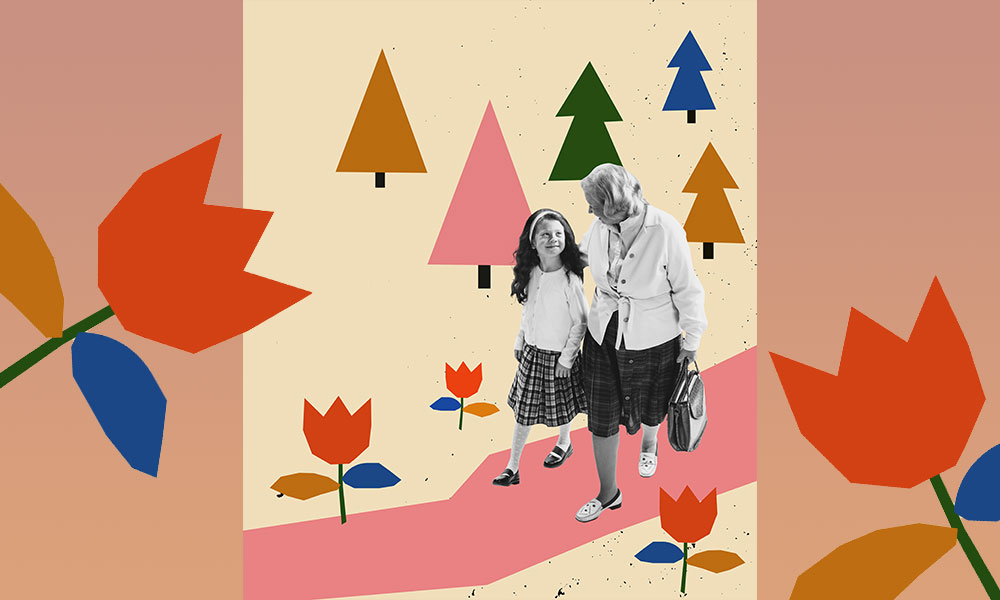
When I see gray or white heads tugging little ones along to processions or Mass, I often think of my own Grandma Smith. The holy water font at the door of her apartment, her glow-in-the-dark rosaries, her statue of the Blessed Mother and image of the Sacred Heart have stayed with me. Her prayers may have a lot to do with why I didn’t end up remaining a coffeehouse poet in a tie-dyed T-shirt and bell bottoms.
And her influence may also be why I know when the feast of the grandparents of Jesus happens.
Sister Pamela Smith, SSCM, Ph.D., is the diocesan director of Ecumenical and Interreligious Affairs. Email her at psmith@charlestondiocese.org.